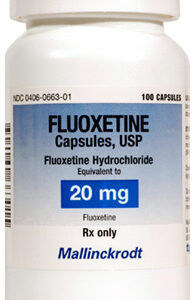
fluoxetine
Fluoxetine is a widely recognized antidepressant that belongs to the class of selective serotonin reuptake inhibitors (SSRIs). It is commonly prescribed for the treatment of major depressive disorder, obsessive-compulsive disorder, bulimia nervosa, panic disorder, and premenstrual dysphoric disorder. Fluoxetine works by increasing the levels of serotonin in the brain, a neurotransmitter that influences mood, emotion, and sleep. By restoring the balance of serotonin, Fluoxetine can help improve symptoms such as feelings of sadness, anxiety, and unease. It is typically administered once a day, either in the morning or evening, and is available in capsule, tablet, or liquid form to accommodate different patient preferences and treatment requirements.
Fluoxetine is known for its long half-life, meaning it stays in the body for an extended period after discontinuation, which can help reduce the risk of withdrawal symptoms. It is important for patients to have a comprehensive discussion with their healthcare provider before starting Fluoxetine to ensure it is the right medication for their condition. Consistency in taking the medication as prescribed is crucial to achieving optimal therapeutic outcomes. Additionally, Fluoxetine has been researched for its potential benefits in treating other conditions, expanding its use beyond traditional psychiatric applications.
Showing the single result
-
Woman's Health
Fluoxetine